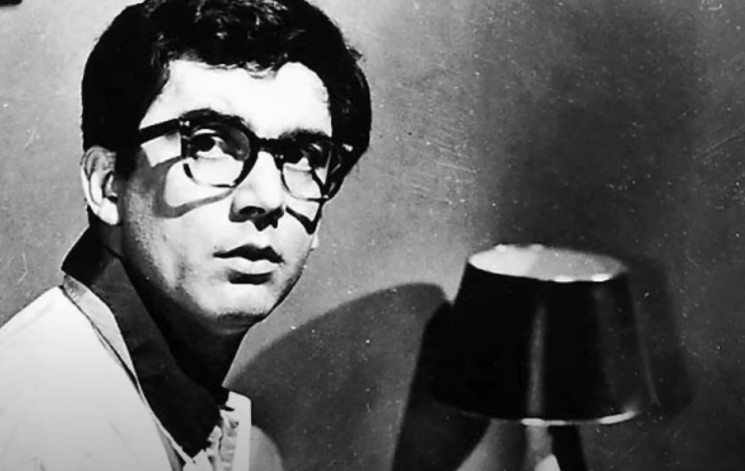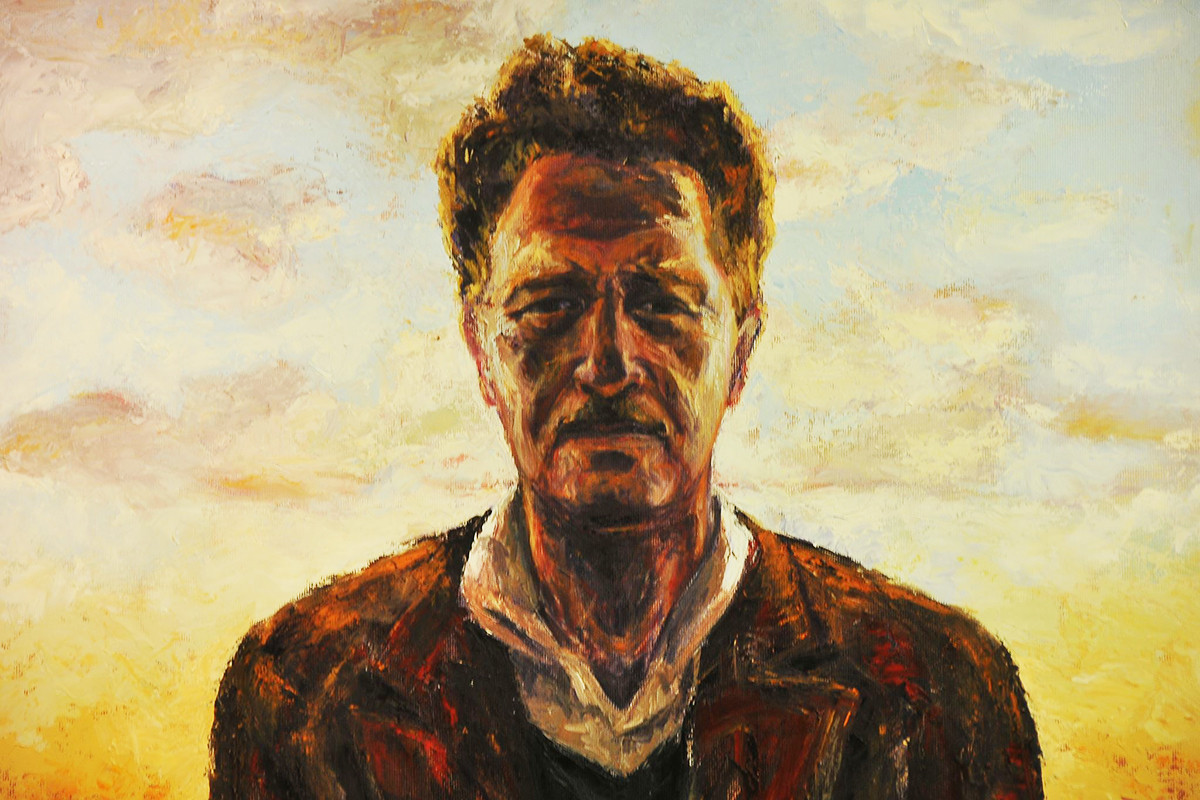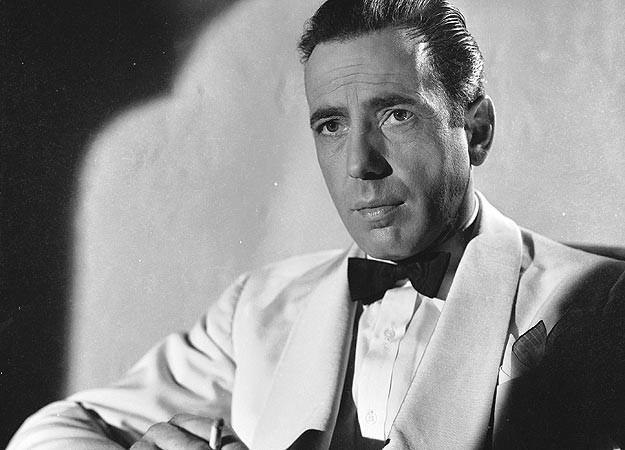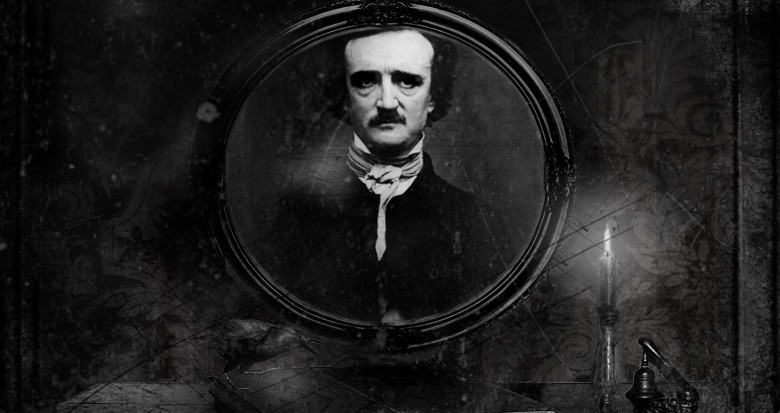
Ο Έντγκαρ Άλλαν Πόε (Edgar Allan Poe), γεννήθηκε στις 19 Ιανουαρίου 1809 και πέθανε στις 7 Οκτωβρίου 1849. Ήταν Αμερικανός συγγραφέας, ποιητής και κριτικός. Υπήρξε ένας από τους κύριους εκπροσώπους του αμερικανικού ρομαντισμού. To λογοτεχνικό του έργο είχε σημαντική επίδραση στην παγκόσμια λογοτεχνία, αποτελώντας θεμέλιο λίθο για την εξέλιξη σύγχρονων λογοτεχνικών ειδών, όπως η αστυνομική λογοτεχνία ή οι ιστορίες τρόμου και φαντασίας.
Διαβάστε επίσης: Ο μυστηριώδης θάνατος του Έντγκαρ Άλαν Πόε
Ο Edgar Allan Poe γεννήθηκε στις 19 Ιανουαρίου του 1809 στην πόλη της Βοστόνης, στη Μασαχουσέτη των ΗΠΑ, το δεύτερο από τα τρία παιδιά των ηθοποιών γονιών του. Ένα χρόνο μετά τη γέννησή του, ο πατέρας του, David, εγκαταλείπει την οικογένεια. Η μητέρα σου σύντομα πεθαίνει από φυματίωση και ο μικρός Edgar χωρίζεται από τα αδέρφια του, αφού τον αναλαμβάνει η οικογένεια Allan στο Ρίτσμοντ της Βιρτζίνια.
Η οικογένεια Allan ήταν αρκετά εύπορη και ο Edgar έζησε μια καλή ζωή μαζί τους, σύμφωνα με ορισμένους βιογράφους του. Ως ένδειξη σεβασμού και εκτίμησης προς τη θετή του οικογένεια προσέθεσε το Allan στο επώνυμό του. Ωστόσο, οι σχέσεις μεταξύ του Edgar και του θετού του πατέρα John Allan επιδεινώθηκαν με το χρόνο. Το 1815 η οικογένεια Allan μετακόμισε στην Αγγλία, όπου ο Edgar άρχισε σχολείο, αρχικά στο Irvine της Σκωτίας και αργότερα οικότροφος στο Chelsea. Οι Allan ήταν αρκετά ευκατάστατοι, αλλά ο John Allan ήταν ιδιαίτερα σφιχτοχέρης με το επίδομα του Edgar, κατά τη διάρκεια των σπουδών του.
Ο νεαρός Edgar στράφηκε στο τζόγο για να βγάλει επιπλέον χρήματα αλλά αντ’ αυτού δημιούργησε χρέη που έγιναν αιτία για περαιτέρω επιδείνωση της σχέσης του με τον θετό πατέρα του. Το 1826 μπήκε στο Πανεπιστήμιο της Βιρτζίνια το οποίο όμως εγκατέλειψε μέσα σε ένα χρόνο. Ταξίδεψε στη Βοστώνη το 1827 όπου επιχείρησε να συντηρηθεί κάνοντας διάφορες εργασίες όπως υπάλληλος γραφείου και συντάκτης εφημερίδας. Κάποια στιγμή ξεκίνησε να χρησιμοποιεί το ψευδώνυμο Henri Le Rennet.
Το Μάιο του 1827 μπήκε στον Αμερικανικό Στρατό, σε μια προσπάθεια να επιβιώσει. Δήλωσε όνομα «Edgar A. Perry» και ηλικία 22 ετών (ενώ ήταν 18). Υπηρέτησε ως οπλίτης με μισθό 5 δολαρίων το μήνα και μετά από δυο χρόνια κίνησε τις διαδικασίες για να απαλλαγεί από το υπόλοιπο της θητείας του.
Πατέρας της λογοτεχνίας μυστηρίου και άρχοντας του μακάβριου
Η λογοτεχνική καριέρα του Poe ξεκίνησε όταν ήταν ακόμα στο στρατό, με την έκδοση μιας συλλογής ποιημάτων με τον τίτλο «Ταμερλάνος και άλλα ποιήματα», το 1827, χωρίς το όνομά του, αποδίδοντας το έργο σε «έναν Βοστονέζο» («A Bostonian»). Στη συνέχεια στράφηκε στην πρόζα και για αρκετά χρόνια εργάστηκε σε λογοτεχνικά περιοδικά, αποκτώντας όνομα για το προσωπικό ύφος της λογοτεχνικής κριτικής του. Συνεχίζει να εκδίδει έργα του με την οικονομική βοήθεια φίλων.
Από το 1831 επιδιώκει πλέον να ζει αποκλειστικά από τη συγγραφή. Ήταν από τους πρώτους Αμερικανούς συγγραφείς που επιχείρησαν να ζήσουν μοναχά από το έργο τους και η έλλειψη διεθνούς νομοθετικού πλαισίου για τα πνευματικά δικαιώματα δυσκόλευε την κατάσταση, αφού οι εκδότες προτιμούσαν να «κλέβουν» έργα Ευρωπαίων συγγραφέων παρά να πληρώσουν νέους Αμερικανούς. Σε ολόκληρη τη ζωή του θα αντιμετωπίσει οικονομικά προβλήματα.
Το 1835 παντρεύτηκε την 13χρονη ξαδέρφη του Virginia Clemm. Δημοσιεύει έργα του σε περιοδικά και επιθεωρήσεις ενώ γράφει και λογοτεχνικές κριτικές. Το 1845 δημοσιεύει το «Κοράκι» που σημειώνει άμεσα μεγάλη επιτυχία. Η σύζυγός του πεθαίνει μετά από δυο χρόνια, από φυματίωση, γεγονός που ρίχνει στο ποτό ακόμα περισσότερο τον συγγραφέα. Ο Poe σχεδιάζει να εκδώσει δικό του λογοτεχνικό περιοδικό, κάτι που όμως δεν προφταίνει να υλοποιήσει αφού, στις 7 Οκτωβρίου του 1849, σε ηλικία 40, πεθαίνει στη Βαλτιμόρη, υπό συνθήκες που δημιούργησαν πολλά ερωτηματικά.
Η αιτία θανάτου του είναι άγνωστη. Κατά καιρούς έχουν ακουστεί θεωρίες για κατάχρηση αλκοόλ, εγκεφαλική συμφόρηση, χολέρα, ναρκωτικά, καρδιοπάθεια, λύσσα, φυματίωση έως και αυτοκτονία. Η κηδεία του πραγματοποιήθηκε βιαστικά και με ελάχιστα άτομα, αφού δεν υπήρξε κανονική ανακοίνωση του γεγονότος.
Το έργο του Poe επηρέασε τη λογοτεχνία στις Ηνωμένες Πολιτείες αλλά και ολόκληρο τον κόσμο, ενώ συνέβαλε και σε ειδικά πεδία όπως αυτό της κρυπτογραφίας και της κοσμολογίας. Ο Μπωντλαίρ ήταν από τους πρώτους μελετητές του έργου του, μεταφράζοντας το σύνολό του στα γαλλικά. Θαυμαστές του έργου του ήταν οι Χ.Φ. Λάβκραφτ, ο Γουώλτ Ουίτμαν, ο Ιούλιος Βέρν, ο Όσκαρ Γουάλντ, ο Ουίλλιαμ Φώκνερ και ο Τ.Σ. Έλιοτ, ο οποίος ήταν αυστηρός απέναντί του αλλά εκτιμούσε το κριτικό του έργο.
Το Κοράκι
Κάποια φορά, μεσάνυχτα, ενώ εμελετούσα
κατάκοπος κι αδύναμος ένα παλιό βιβλίο
μιας επιστήμης άγνωστης, άκουσα ένα κρότο
σα να χτυπούσε σιγανά κανείς στη ξώπορτά μου.
“Κανένας ξένος“, σκέφτηκα “οπού χτυπά τη πόρτα,
τούτο θα είναι μοναχά και όχι τίποτ’ άλλο“.
Θυμάμαι ήταν στον ψυχρό και παγερό Δεκέμβρη
και κάθε λάμψη της φωτιάς σα φάντασμα φαινόταν.
Ποθούσα το ξημέρωμα, μάταια προσπαθούσα
να δώσει με παρηγορία στη λύπη το βιβλίο,
για τη γλυκιά Ελεονόρα μου, την όμορφη τη κόρη
όπως οι αγγέλοι τη καλούν, ενώ εδώ δεν έχει
για πάντα ούτε όνομα.
Και τ’ αλαφρό μουρμουρητό που κάναν οι κουρτίνες
με άγγιζε, με γέμιζε με τρόμους φανταχτούς,
και για να πάψει τ’ άγριο το χτύπημα η καρδιά μου
σηκώθηκα φωνάζοντας: “Θα είναι κάποιος ξένος
όπου ζητά να κοιμηθεί έδω στη κάμαρά μου
αυτό θα είναι μοναχά και περισσότερο όχι“.
Τώρα μου φάνηκε η ψυχή πιο δυνατή για τούτο,
“Κύριε” είπα, “ή Κυρά, ζητώ να συγχωρείστε,
γιατί εγώ ενύσταζα κι ο κρότος ήταν λίγος,
ήσυχος, που δεν άκουσα εάν χτυπά η πόρτα“
κι άνοιξα στους αγέρηδες ορθάνοιχτη τη πόρτα
σκοτάδι ήταν γύρω μου και όχι τίποτ’ άλλο.
Μες στο σκοτάδι στάθηκα ώρα πολλή μονάχος,
γεμάτος τρόμους κι όνειρα που πρώτη φορά τότε
η λυπημένη μου ψυχή στα βάθη της επήρε,
μα η σιγή ήταν άσωστη και το σκοτάδι μαύρο
κι “Ελεονόρα” μοναχά ακούγονταν η ηχώ
από τη λέξη που ‘βγαινε απ’ τα ανοιχτά μου χείλη.
Αυτό μονάχα ήτανε και όχι τίποτ’ άλλο.
Γυρίζοντας στη κάμαρα με μια καρδιά όλο φλόγα,
άκουσα πάλι να χτυπούν πιο δυνατά από πρώτα.
“Σίγουρα κάποιος θα χτυπά από το παραθύρι,
ας πάω να δω κι ας λύσω πια ετούτο το μυστήριο,
ας ησυχάσει η μαύρη μου καρδιά
και θα το λύσω θα είναι οι αγέρηδες και όχι τίποτ’ άλλο.
‘Ανοιξα το παράθυρο κι ένα κοράκι μαύρο
με σχήμα μεγαλόπρεπο στη κάμαρα μου μπήκε
και χωρίς διόλου να σταθεί ή ν’ αμφιβάλλει λίγο,
επήγε και εκάθισε στη πέτρινη Παλλάδα
απάνω από τη πόρτα μου, γιομάτο σοβαρότη.
Κουνήθηκεν, εκάθισε και όχι τίποτ’ άλλο.
Το εβενόχρωμο πουλί που σοβαρό καθόταν
τη λυπημένη μου ψυχή έκανε να γελάσει.
“Χωρίς λοφίο“, ρώτησα, “κι αν είν’ η κεφαλή σου
δεν είσαι κάνας άνανδρος, αρχαϊκό κοράκι,
που κατοικείς στις πένθιμες ακρογιαλιές της Νύχτας;
Στ’ όνομα της Πλουτωνικής της Νύχτας, τ’ όνομά σου!”
Και το κοράκι απάντησε: “Ποτέ από ‘δω και πια“.
Ξεπλάγηκα σαν άκουσα το άχαρο πουλί
ν’ ακούει τόσον εύκολα τα όσα το ρωτούσα
αν κι η μικρή απάντηση που μου ‘δωσε δεν ήταν
καθόλου ικανοποιητική στα όσα του πρωτόπα,
γιατί ποτέ δεν έτυχε να δεις μες στη ζωή σου
ένα πουλί να κάθεται σε προτομή γλυμμένη
απάνω από τη πόρτα σου να λέει:
“Ποτέ πια“.
Μα το Κοράκι από κει που ήταν καθισμένο
δεν είπε άλλη λέξη πια σα να ‘ταν η ψυχή του
από τις λέξεις: “Ποτέ πια“, γεμάτη από καιρό.
Ακίνητο καθότανε, χωρίς ένα φτερό του
να κινηθεί σαν άρχιζα να ψιθυρίζω αυτά:
“Τόσοι μου φίλοι φύγανε ως και αυτές οι Ελπίδες
κι όταν θε να ‘ρθει το πρωΐ κι εσύ θε να μου φύγεις”.
Μα το πουλί απάντησε: “Ποτέ από δω και πια“.
Ετρόμαξα στη γρήγορη απάντηση που μου ‘πε
πάντα εκεί ακίνητο στη προτομήν απάνω.
“Σίγουρα” σκέφτηκα, “αυτό που λέει και ξαναλέει
θα είναι ό,τι έμαθε από τον κύριό του
που αμείλικτη η καταστροφή θα του κοψ’ το τραγούδι
που θα ‘λεγεν ολημερίς και του ‘καμε να λέει
λυπητερά το “Ποτέ πια” για τη χαμένη ελπίδα“.
Μα η θέα του ξωτικού πουλιού μ’ έφερε γέλιο
κι αρπάζοντας το κάθισμα εκάθισα μπροστά του
και βυθισμένος σ’ όνειρα προσπάθησα να έβρω
τι λέει με τη φράση αυτή, το μαύρο το Κοράκι,
το άχαρο, τ’ απαίσιο, ο τρόμος των ανθρώπων,
σαν έλεγε τις θλιβερές τις λέξεις:
“Ποτέ Πια!“.
Κι έτσι ακίνητος βαθιά σε μαύρες σκέψεις μπήκα
χωρίς μια λέξη μοναχά να πω εις το Κοράκι
που τα όλο φλόγα μάτια του μες στη καρδιά με καίγαν.
Έτσι σκεφτόμουν έχοντας στο βελουδένιο μέρος
του παλαιού καθίσματος γερμένο το κεφάλι,
στο μέρος που το χάϊδευαν η λάμψη της καντήλας,
εκεί όπου η αγάπη μου δε θ’ ακουμπήσει
πια!
Τότε ο αγέρας φάνηκε σα να ‘ταν μυρωμένος
από ‘να θυμιατήριο αόρατο που αγγέλοι
και Σεραφείμ το κούναγαν και τ’ αλαφρά τους πόδια
ακούγονταν στο μαλακό χαλί της κάμαράς μου.
“Ναυαγισμένε” φώναξα, “αναβολή σου στέλνει
με τους αγγέλους, ο Θεός και μαύρη λησμοσύνη
για τη χαμένη αγάπη σου την όμορφη Λεονόρα.
Πιες απ’ το μαύρο το πιοτό της Λήθης και λησμόνα
εκείνην όπου χάθηκε“. Και το Κοράκι είπε:
“Ποτέ από δω και πια!“.
Είπα: “Προφήτη των κακών, είτε πουλί είτε δαίμων
είτε του μαύρου πειρασμού αποσταλμένε συ
είτε στης άγριας θύελλας το μάνιασμα χαμένε,
αλλ’ άφοβε, στον κόσμο αυτόπου κατοικεί ο Τρόμος,
πες μου με ειλικρίνεια, υπάρχει δω στον κόσμο
της λύπης κανά βάλσαμο που δίνει η Ιουδαία;
Πες μου!“, μα κείνο απάντησε:
“Ποτέ από δω και πια!“.
“Προφήτη“, είπα, “δαίμονα, της Συφοράς πουλί,
Προφήτης όμως πάντοτε, στον Ουρανό σ’ ορκίζω,
που απλώνεται από πάνω μας παρηγορήτρα αψίδα,
εις του Θεού το όνομα που οι δυο μας τον λατρεύουν,
πες μου αν στον Παράδεισο θε ν’ αγκαλιάσω κείνη,
εκείνη που οι άγγελοι τη λεν Ελεονόρα“;
Και το κοράκι απάντησε:
“Ποτέ από δω και πια!“.
“Ας γίν’ η μαύρη φράση σου το σύνθημα να φύγεις“,
εφώναξα αγριωπός πηδώντας κει μπροστά του.
“Πήγαινε πάλι να χαθείς στην άγρια καταιγίδα
ή γύρνα στις ακρογιαλιές της Πλουτωνείου Νύχτας
ούτ’ ένα μαύρο σου φτερό δε θέλω δω ν’ αφήσεις
ενθύμηση της φράσης σου της ψεύτικης και πλάνας
βγάλ’ απ’ τη δόλια μου καρδιά το ράμφος που ‘χεις μπήξει
και σύρε τη φανταστική μορφή σου στα σκοτάδια!”
Και το Κοράκι απάντησε:
“Ποτέ από δω και πια!“.
Και το Κοράκι ακίνητο στη προτομή όλο μένει,
στης Αθηνάς τη προτομή απάνω από τη πόρτα
και τ’ αγριωπά τα μάτια του σα του Διαβόλου μοιάζουν
όταν μονάχος σκέφτεται. Και το θαμπό λυχνάρι
ρίχνει σκια στο πάτωμα σαν πέφτει στο Κοράκι.
Και η ψυχή μου ανήμπορη δε θα μπορέσει πια
να βγει απ’ τον αμφίβολο τον κύκλο της Σκιάς
που φαίνεται στο πάτωμα.
Ποτέ από δω και πια!
Μετάφραση: Κώστας Ουράνης
Στην Ελλάδα τα ΜΜΕ που στηρίζουν τις νεοφιλελεύθερες πολιτικές, χρημαδοτούνται από το ... κράτος. Tο tvxs.gr στηρίζεται στους αναγνώστες του και αποτελεί μια από τις ελάχιστες ανεξάρτητες φωνές στη χώρα. Mε μια συνδρομή, από 2.9 €/μήνα,ενισχύετε την αυτονομία του tvxs.gr και των δημοσιογραφικών του ερευνών. Συγχρόνως αποκτάτε πρόσβαση στα ντοκιμαντέρ και το περιεχόμενο του 24ores.gr.
Δες τα πακέτα συνδρομών >